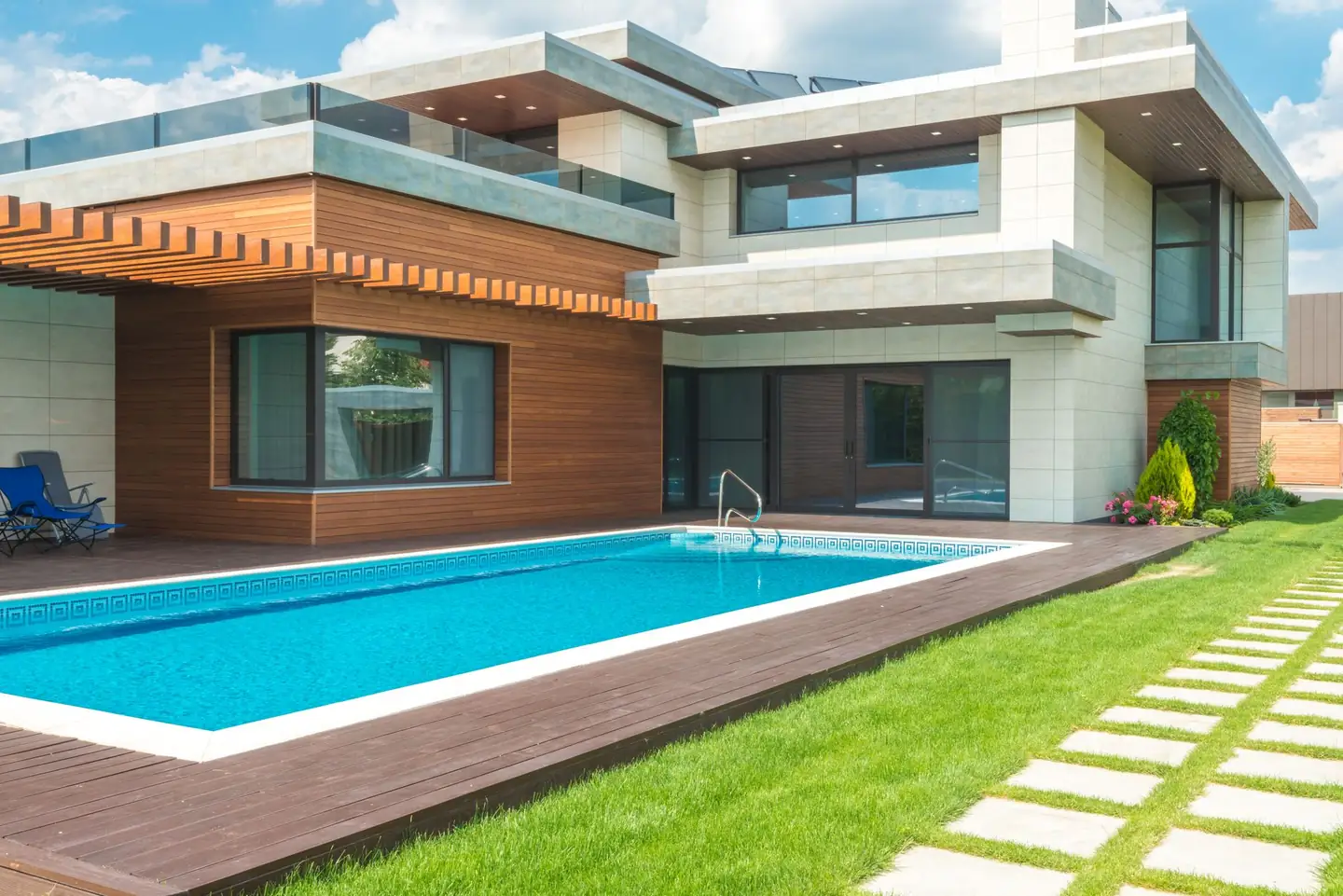
Our Pool Building Services in Lionsville
-
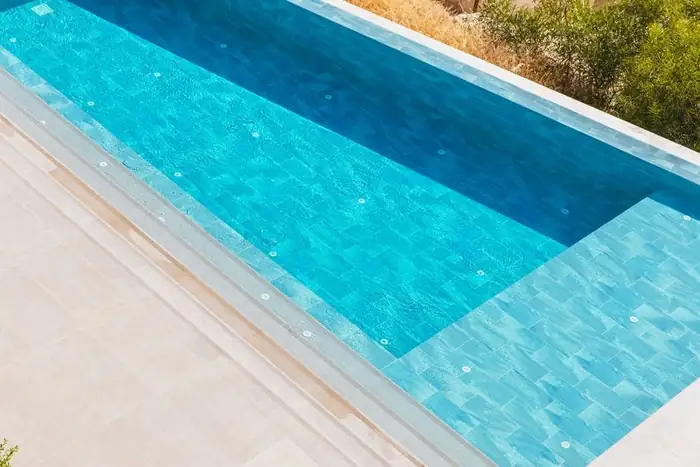
Concrete Pool Construction in Lionsville
Bespoke concrete pools for Lionsville, with infinity edges, beach entries and split levels that prefabricated shells simply cannot match.
-
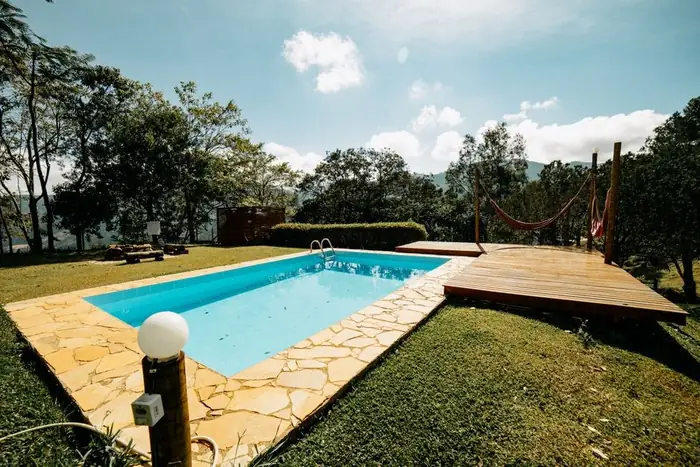
Fibreglass Pool Installation in Lionsville
Pre-moulded fibreglass shells with a smooth, durable gelcoat finish, installed right across Lionsville and the Clarence Valley area.
-
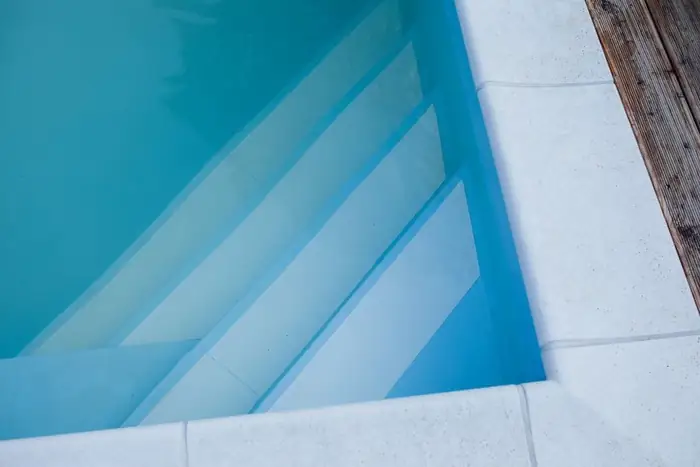
Plunge Pool Construction in Lionsville
Compact plunge pools that bring deep, cooling water to small Lionsville yards, terraces and tight courtyards.
-
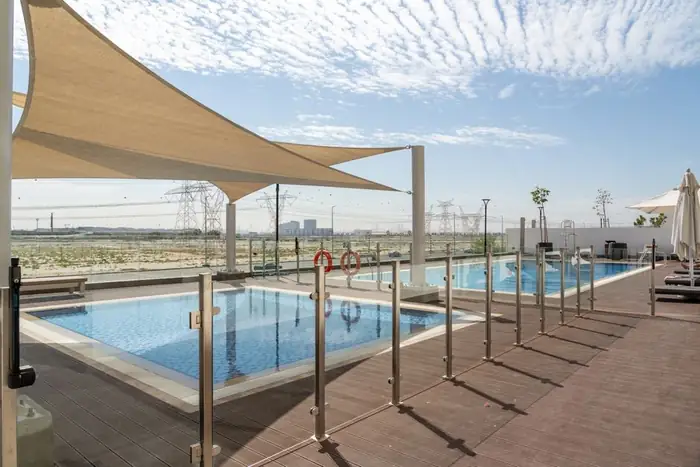
Pool Fencing & Safety Barriers in Lionsville
Glass and aluminium pool fences engineered for New England and North West conditions and certified for the NSW Swimming Pools Register.
-
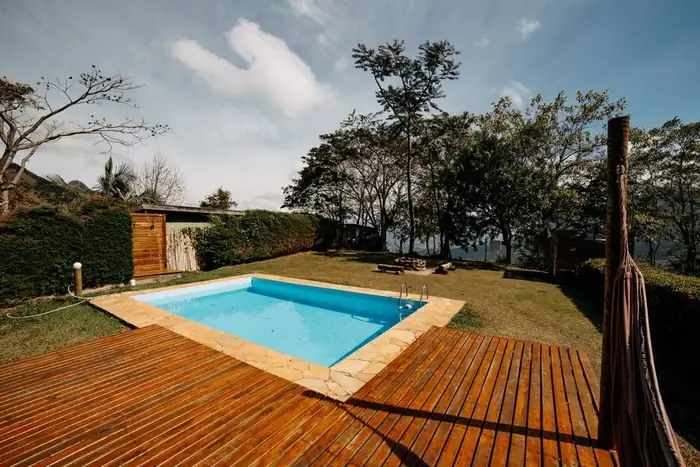
Pool Decking & Paving in Lionsville
Slip-resistant pool decking and paving for Lionsville homes in timber, composite and stone, built for wet feet and sun.
-
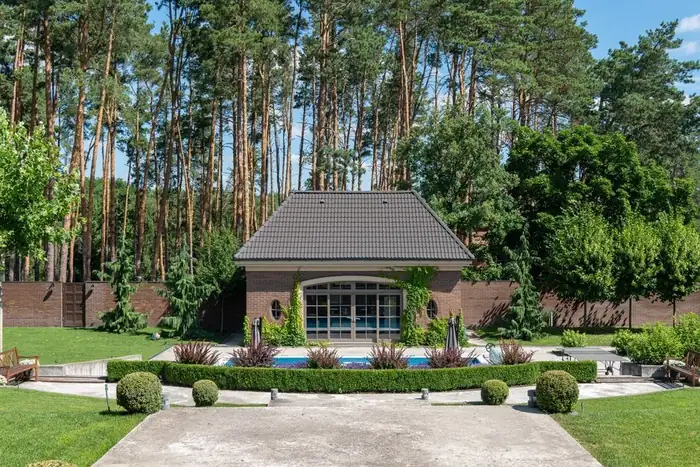
Pool Landscaping & Surrounds in Lionsville
Pool surrounds designed for Clarence Valley blocks and the New England and North West climate, using durable, low-maintenance materials around the water.
Pool Construction Across Lionsville 2460
Building a swimming pool in Lionsville 2460 is a substantial project, and a local builder carries it end to end so the detail is handled properly. That work begins with a design suited to your block, then approval, set-out and excavation, the shell and plumbing, the safety barrier, paving and the interior finish, and finally handover of a pool that is ready to swim in. A builder who works regularly across Clarence Valley understands the practical realities of the area: how tight side access shapes which machinery can reach the site, how local soil and slope affect engineering, and whether your job suits a Complying Development Certificate through a private certifier or a Development Application lodged with council. A pool fits the New England and North West lifestyle well, giving a household somewhere to cool off and gather through the warmer months, and it tends to hold its value when it is built to a proper standard. The choice between concrete and fibreglass, the layout, the depth and the surrounds are all decisions worth making with someone who has built in Lionsville before. Done methodically, the process is far more straightforward than most homeowners expect.
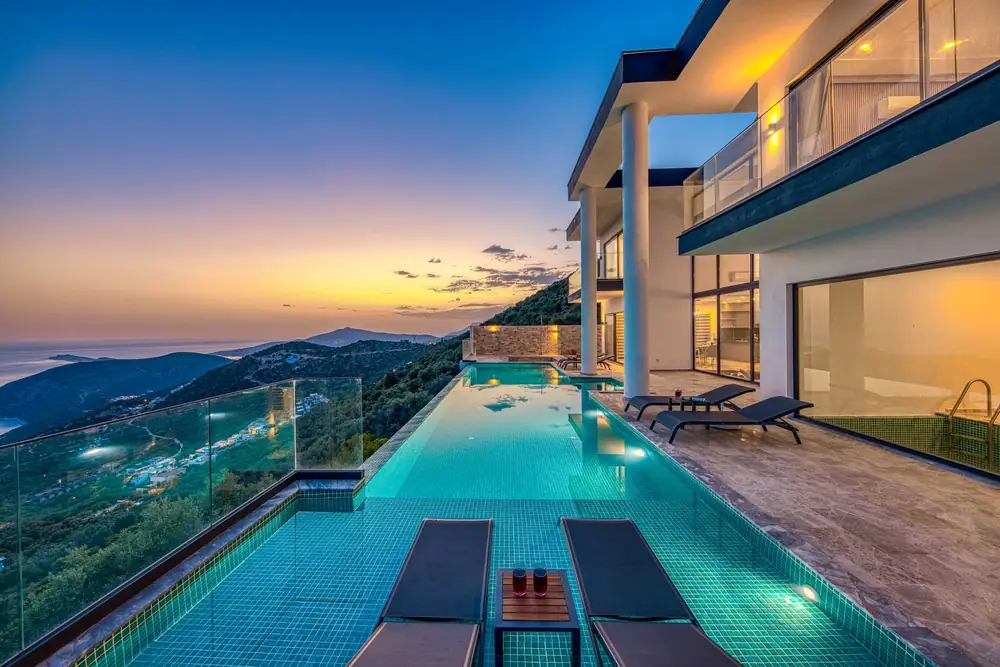
From New Builds to Renovations in Lionsville
Pool building in Lionsville is not a single service but a set of related ones, and a homeowner can draw on as much or as little as a project needs. The headline work is new pool construction, split between concrete pools formed and sprayed in place for full customisation and fibreglass pools delivered as a moulded shell for a faster install. Around those sit the compact builds that suit tighter Clarence Valley blocks, namely plunge pools for courtyards and lap pools for long, slim yards. Existing pools are well catered for as well: resurfacing renews a worn interior, renovation reshapes and modernises an older pool, and repair work tackles leaks, cracks and failed equipment before they worsen. Fencing is its own discipline, given that New South Wales law requires every pool to be enclosed by a barrier meeting AS 1926.1, complete with a compliant gate and non-climbable zone. Heating, in solar, heat-pump or gas form, lengthens the season a New England and North West pool can be used, while landscaping, paving and decking turn the surrounding area into proper outdoor living space. Saltwater and mineral systems are available for those who prefer softer water. The breadth means a Lionsville pool can be built, renovated or upgraded one element at a time.
- Concrete Pool Construction in Lionsville
- Fibreglass Pool Installation in Lionsville
- Plunge Pool Construction in Lionsville
- Lap Pool Construction in Lionsville
- Infinity & Wet-Edge Pools in Lionsville
- Small & Courtyard Pools in Lionsville
- Pool Renovation & Remodelling in Lionsville
- Pool Resurfacing & Interiors in Lionsville
- Pool Fencing & Safety Barriers in Lionsville
- Pool Landscaping & Surrounds in Lionsville
- Pool Decking & Paving in Lionsville
- Pool Heating & Solar in Lionsville
- Saltwater Pool Systems in Lionsville
- Mineral Pool Systems in Lionsville
- Spa & Spa-Pool Installation in Lionsville
- Pool Repairs & Leak Detection in Lionsville
Choosing a Pool Type for a Lionsville Home
Pool types differ more than most Lionsville homeowners expect, and the right one follows from the block rather than from a brochure. A concrete pool is built in place, so it can be shaped to a sloping or unusual Clarence Valley site and carry features such as a beach entry, an integrated spa or a wet edge; the trade-off is a longer build and a higher cost, commonly $55,000 to $120,000 or more. A fibreglass pool is a factory shell lowered into the excavation, which keeps the install short, the running maintenance light and the price lower at around $35,000 to $75,000 installed, with the limitation that the shape and size come from a set range. For a tight backyard a plunge pool gives depth and a cooling soak in a small footprint, while a lap pool answers a household that swims for fitness and has a long, slender strip to work with. A courtyard pool fits a terrace or side space, and an infinity edge suits a New England and North West block with a fall and a view to draw the eye across. The block, the budget and the way the pool will be used decide which of these fits a Lionsville home best.
Which Pool Suits Your Lionsville Property
There is no single best pool, only the pool that best fits a particular Lionsville block, budget and lifestyle. Concrete sits at one end, offering total design freedom and the longest lifespan; it is sprayed and formed on site so it can follow any shape, suit a difficult or sloping Clarence Valley site, and carry premium features, at the cost of a higher price and a longer build. Fibreglass sits at the other end, prized for how fast it installs and how little it costs to run, with a smooth surface that resists algae and needs fewer chemicals, the limitation being the set range of shapes and sizes from the moulds. Between and around these are two specialist forms. Plunge pools make the most of a small Lionsville courtyard, deep enough to cool off and able to take jets for exercise, while lap pools turn a long, slim New England and North West side yard into a private swimming lane. Weighing them up means being honest about the space available, the realistic budget and the day-to-day use, whether that is family swimming, entertaining, fitness or a feature for the yard. Set those priorities against what each type does best, and the choice for a Lionsville backyard follows naturally.
The Build Sequence for a Lionsville Pool
Every pool built in Lionsville follows the same broad path from a sketch to a body of water, even though the detail shifts block to block. The first stage is design and an itemised fixed price, locking in shape, depth and finishes. With that agreed, approval is obtained under the NSW system: a CDC issued by a private certifier for straightforward sites, or a DA through Clarence Valley council where the block or overlays demand it. Set-out marks the pool on the ground, then the excavator opens the hole, allowance made for the harder digging that New England and North West sandstone can bring. Steel fixers tie the reinforcement cage and the plumbing rough-in is laid before the shell goes in, the point where concrete and fibreglass diverge: one is sprayed and formed over days, the other lowered in by crane within hours. Paving, fencing, the interior surface and water complete the picture, followed by commissioning of the pump, filter and any heating. The interior finish on a concrete pool, such as pebble or fully tiled, adds time. A realistic span for a Lionsville concrete build is several weeks to a few months; a fibreglass install is markedly quicker once the dig is done.
What a Pool Costs to Build in Lionsville
A pool in Lionsville is a significant investment, and the final figure depends far more on specifics than on any single rule of thumb. For orientation, fibreglass pools in Clarence Valley are usually installed for $35,000 to $75,000, and concrete pools for about $55,000 to $120,000 or higher on bigger projects. The type and size set the baseline, after which the character of the site does most of the work in shaping the price. Awkward access can mean a smaller machine and more time on the dig, and rock found in the New England and North West ground turns a routine excavation into a slower, costlier one. Sloping blocks may need retaining walls, and choices around tiling, coping, paving, decking and landscaping all lift the total well past the shell alone. Equipment such as heating, a saltwater or mineral system and lighting also feed into the number. Rather than a vague estimate, an itemised fixed-price scope lays each of these out as separate lines for the Lionsville project, identifies any provisional sums, and states clearly what is and is not included, giving a homeowner a number that genuinely reflects their block. The shell may be the headline, but on many Clarence Valley jobs the surrounds, access and finishes together account for as much of the budget as the pool.
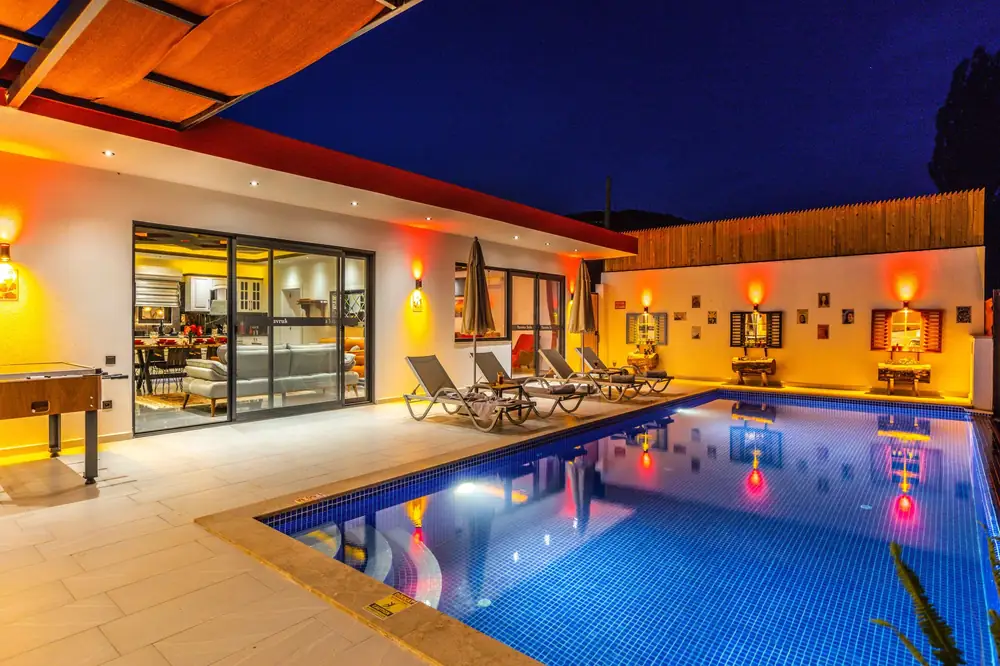
Council Approval and Pool Compliance in Lionsville
Pool safety is taken seriously across New South Wales, and the rules are well defined once they are laid out. The starting point is approval, which takes one of two forms. A Complying Development Certificate, signed off by a private certifier, suits pools on standard Lionsville blocks and is the quicker option. A Development Application, assessed by Clarence Valley council, applies where the block, its overlays or the proposed pool fall outside the complying development criteria. Both routes lead to the same safety obligations. The pool barrier must meet AS 1926.1, which sets a minimum 1200 millimetre fence height, requires a gate that is both self-closing and self-latching, and demands a non-climbable zone so the fence cannot be scaled. After the pool is finished it has to be listed on the NSW Swimming Pools Register, a legal step that must happen before the pool is used, with a compliance certificate confirming the barrier is up to standard. Throughout construction the site operates under SafeWork NSW rules. For a Lionsville homeowner, the practical reassurance is that approval, fencing and registration form a known, repeatable sequence, and handling them in the right order produces a pool that is safe and fully legal.
About the Pool Builders Serving New England and North West
Aussie Pool Builder builds pools across Lionsville and the surrounding Clarence Valley, and the team's strength is its familiarity with the New England and North West and the way pools come together here. The business is licensed and insured for residential building work in New South Wales, and it relies on a settled group of local trades, the excavators, steel fixers, plumbers, tilers and certifiers who have worked together across many Lionsville sites. A pool is one of the more demanding things a homeowner can add to a property, and local experience reduces the risk at every turn. Knowing the typical soil and rock conditions around Clarence Valley informs the engineering and the excavation method before a machine arrives. Understanding the Lionsville streetscape, with its varying access and established gardens, shapes how equipment reaches a backyard. Familiarity with the Clarence Valley council and with private certifiers makes the approval stage, whether a Complying Development Certificate or a Development Application, far more predictable. There is also the matter of accountability: a local builder is part of the community it serves, easy to reach and motivated to protect its standing. For a Lionsville homeowner, the reassurance of a properly licensed, insured and locally experienced builder is worth a great deal on a project of this size.
Vetting Pool Builders Across Clarence Valley
Sorting a sound Lionsville pool builder from a chancy one is mostly a matter of verifying a few essentials. The licence is paramount, because every builder carrying out residential work in New South Wales must hold a current licence, and a homeowner can independently confirm it through NSW Fair Trading rather than assuming it exists. Public liability insurance is the next thing to establish, since it is the safeguard against the cost of damage or injury during the build. The contract carries equal weight: a reliable builder offers a written, fixed-price scope listing the shell, the filtration, the fencing, the paving and any provisional sums, which keeps the final cost honest. Recent Clarence Valley references and visible local work help confirm a builder does what it says. Certain behaviours should put a homeowner on guard. The most common is a request for a large cash deposit, which a legitimate Lionsville builder has no reason to make; close behind are reluctance to detail inclusions in writing and an inability to show recent New England and North West projects. A genuinely dependable builder will, without prompting, be clear about the approval route, the AS 1926.1 fencing standard and the requirement to list a pool on the NSW Swimming Pools Register before use.
Blocks, Access and Soil Around Lionsville
Building a pool in Lionsville draws on a good deal of local knowledge, because the block, the ground and the council requirements all shape the job. Lot sizes and side access vary widely across Clarence Valley, and access in particular decides whether an excavator and crane can reach the pool area or whether smaller machinery and a longer dig are needed; a narrow side passage often determines the practical limits before any design is drawn. Soil and rock differ from street to street, and a site with shallow rock will need more excavation and engineering than one on workable ground, which feeds directly into the cost and the program. Established trees, root systems and slope add their own constraints, since a sloping block may need retaining or a raised edge and a mature tree must be worked around or protected. Clarence Valley council requirements set the approval path, with most pools running as a Complying Development Certificate through a private certifier or a Development Application lodged with council, and the New England and North West conditions influence the build through soil, weather and site exposure. A builder who knows Lionsville reads these factors early and plans the job around them rather than meeting them as surprises on site.
Pool Building in the New England and North West Region
The New England and North West sits on the high tablelands and western slopes, where summers are warm but evenings cool quickly and winters bring frost and the occasional snowfall around Armidale and Glen Innes. That altitude shortens the comfortable swimming season to roughly November through March, so gas or heat-pump heating makes a real difference if a pool in Lionsville is to earn its keep beyond the peak weeks. Ground conditions vary from deep basalt clay on the tablelands to granite and shallow rock on the slopes, both of which can slow excavation and sometimes require rock saws or hammers. Reactive clay also means engineered footings and good drainage matter. Siting a pool to catch afternoon sun and shelter from the cold westerly wind helps lift the usable swim time across Clarence Valley.
Common Pool Questions in Lionsville
- How much does a new swimming pool cost in Lionsville?
- Cost depends on type, size, site access and finishes. As a guide in Lionsville, an installed fibreglass pool typically runs $35,000 to $75,000, while a custom concrete pool generally sits between $55,000 and $120,000 or more for larger designs. Rock excavation, retaining walls, premium tiling and landscaping all move the final figure on a Clarence Valley block.
- Concrete or fibreglass: which suits Lionsville better?
- Both perform well; the decision usually rests on your Lionsville block and goals. Concrete is the pick for a fully custom shape, feature edges or a difficult New England and North West site, while fibreglass wins on speed, value and low upkeep. Concrete is formed and sprayed on site; fibreglass arrives as a moulded shell and installs in a fraction of the time.
- How long does it take to build a pool in Lionsville?
- A fibreglass pool can be installed in roughly one to two weeks once approvals are in place, because the shell is manufactured off site and craned in. A custom concrete pool usually takes several weeks to a few months, since it is formed, sprayed, cured and finished on site. Access and New England and North West weather both affect the schedule on a Lionsville job.
- Is council approval required to build a pool in Lionsville?
- Almost every pool in New South Wales needs approval before construction, either a fast-tracked Complying Development Certificate through a registered certifier or a Development Application through Clarence Valley. The right route hinges on your Lionsville property and the relevant planning controls, and the paperwork is a standard part of the build process.
- How long does pool approval take in Lionsville?
- It depends on the pathway. A Complying Development Certificate through a private certifier is the faster option and is often determined within a few weeks where the design clearly meets the standards. A Development Application through Clarence Valley council generally takes longer, commonly a couple of months, as it allows for assessment and any required notification in Lionsville.
- What fencing does a pool need in Lionsville?
- All pools in Lionsville require a safety barrier built to AS 1926.1, covering fence height, a self-closing and self-latching gate and non-climbable zones. Options include frameless glass, semi-frameless glass and tubular aluminium. The barrier is inspected for compliance and the pool is recorded on the NSW Swimming Pools Register as part of finishing the job in Clarence Valley.
- What ongoing maintenance and running costs should I expect?
- Running costs in Lionsville cover electricity for the pump, chemicals, and occasional water top-ups, plus more if the pool is heated. Most owners spend a moderate amount each week. An energy-efficient pump, a saltwater or mineral system and a pool cover all bring those costs down, and fibreglass interiors generally need fewer chemicals than other finishes.
- Is a pool possible on a tight or sloping site in Lionsville?
- Small and sloping blocks are common across Lionsville and Clarence Valley, and pools are built on them regularly. A plunge pool suits a compact yard, while a sloping site may require retaining walls or an elevated, partly raised pool. Engineering for slope, side access and rock is a normal part of building on a difficult New England and North West block.
- Pool heating: can I extend the swim season in Lionsville?
- Yes. Solar, heat-pump and gas heating each extend the swimming season for Lionsville pools. Solar is the most economical to run in sunny New England and North West suburbs, heat pumps deliver reliable warmth on demand, and gas heats quickly for occasional use. Pairing any system with a pool cover holds the heat in and cuts running costs noticeably.
- What is the difference between salt, mineral and chlorine pools in Lionsville?
- All three keep a Lionsville pool clean; they differ in feel, cost and handling. Saltwater chlorination is popular for soft water and minimal chemical handling, mineral systems add magnesium for a silkier swim favoured by health-conscious owners, and manual chlorine remains the cheapest to set up. Salt and mineral systems can be fitted to new Clarence Valley builds or retrofitted to an existing pool.
- What does a standard pool build cover in Lionsville?
- A typical pool build in Lionsville brings together excavation, the shell, filtration and plumbing, fencing, paving and the interior, with landscaping often added. Access is the key practical factor: excavators and a concrete pump or a delivery crane need a usable path to the site. Where access is tight, the build is planned around it, and the inclusions are confirmed in writing for the Clarence Valley job.
- Do you offer a warranty on your pools?
- Yes. Pools built in Lionsville carry a structural warranty, and fibreglass shells include the manufacturer's warranty on the shell itself. The work is carried out by builders fully licensed and insured for residential construction in New South Wales, and the cover that applies to your build is set out clearly in the contract before work begins.
Other Suburbs We Serve in Clarence Valley
Barcoongere Pool Builders
Barretts Creek Pool Builders
Baryulgil Pool Builders
Blaxlands Creek Pool Builders
Blaxlands Flat Pool Builders
Bom Bom Pool Builders
Bookram Pool Builders
Braunstone Pool Builders
Brushgrove Pool Builders
Buccarumbi Pool Builders
Calamia Pool Builders
Cangai Pool Builders
Carnham Pool Builders
Carrs Creek Pool Builders
Carrs Island Pool Builders
Carrs Peninsular Pool Builders
Chambigne Pool Builders
Clarenza Pool Builders
Clifden Pool Builders
Coaldale Pool Builders
Collum Collum Pool Builders
Coombadjha Pool Builders
Copmanhurst Pool Builders
Coutts Crossing Pool Builders
Cowper Pool Builders
Crowther Island Pool Builders
Dalmorton Pool Builders
Dilkoon Pool Builders
Dumbudgery Pool Builders
Eatonsville Pool Builders
Eighteen Mile Pool Builders
Elland Pool Builders
Fine Flower Pool Builders